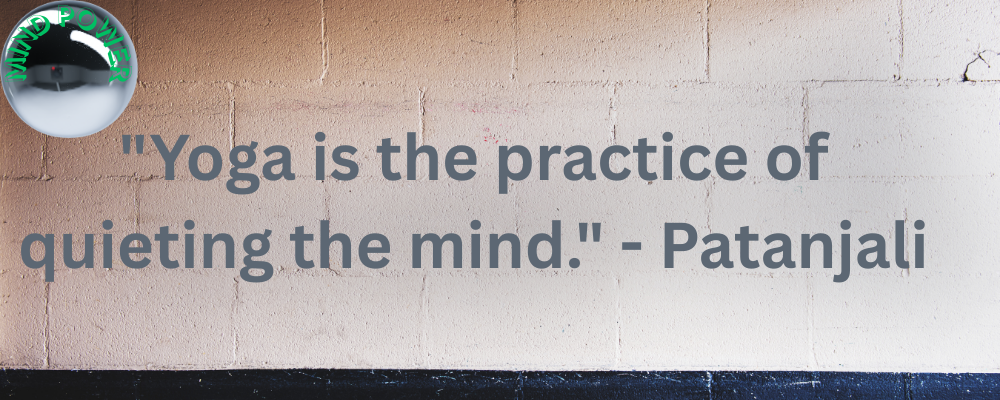
Initially, a workout of India, yoga has now become widespread across the globe and it is used as an alternative for many workouts combined together. Patanjali – ancient author(s) of various Indian written works – compiled Yoga sutras (aphorisms) to develop Raja Yoga in 400 BCE. Asana was termed at number three out of eight classical limbs. These eight limbs, according to Hindu philosophy, included yama (restriction), niyama (observance), asana (posture), pranayama (breathing), pratyahara (non-attachment), dharana (attentiveness), dhyana (meditation), and samadhi (comprehend true Self or Atman), and unison with Brahman (God).
Asana is a Sanskrit word for sitting down or a sitting position. It is actually an art of sitting still and relates to any posture that you may adopt for a specific interval of time to gain harmony of body, mind and soul. It relates both to a sitting place and posture that a yoga practitioner, a yogi (male yoga practitioner) or a yogini (female yoga practitioner), adopts.
In classical Hindu books, researchers have found Lord Shiva’s 84 asanas, but later writers have claimed that yoga may have millions of asanas depending on the people who want to do them. The only requirement is a place to sit on and that is all. You may later amalgamate it with other workout plans to bring harmony of body, mind and soul so as to live a blissful life. It is strange that in Patanjali’s Yoga Sutra (from 4 BC to 2 BC)we do not find even a single asana name but in 10th or 11th CE 84 classic asanas were written in Goraksha Samhita (10-11th century CE) while providing details about only two of them namely, siddhasana and padmasana.
In 15th century CE, Hatha Yoga Pradipika provides details about 84 asanas and pays more attention to 4 of them namely siddhasana, padmasana, bhadrasana and simhasana.
In 17th century CE, Hatha Ratnavali text mentions 84 asanas and gives details about 52 asanas.
In late 17th CE, Gheranda Samhita mentions 84 asanas and writes about 32 most important ones; they include siddhasana, padmasana, bhadrasana, muktasana, vajrasana, svastikasana, simhasana, gomukhasana, virasana, dhanurasana, mritasana, guptasana, matsyasana,matsyendrasana, gorakshana, paschimottanasana, utkatasana, sankatasana, mayurasana, kukkutasana, kurmasana, uttanakurmakasana, uttanamandukasana, vrikshasana,mandukasana, garudasana, vrishasana, shalabhasana, makarasana, ushtrasana, bhujangasana, and yogasana.
Yoga asanas have been developing during all these centuries and years to reach the present day world with all their might.
Types of Yoga Asanas
S. No. English Romanized Sanskrit
1 Downward-Facing Dog Pose (Arm Balance) Adho Mukha Śvānāsana
2 Downward-Facing Tree (Arm Balance) Adho Mukha Vṛkṣāsana
3 Bow posture up to ear (Forward Bend) Ākarṇa Dhanurāsana
4 Ananta’s pose (Supine Leg stretch) Anantāsana
5 Honorable Pose (Crescent Moon / Lunge) Anjaneyasana
6 Half moon (Standing) Ardha Candrāsana
7 Half lord of fishes (Twisting Pose) Ardha Matsyendrāsana
8 Half boat posture (Abdominal) Ardha Navāsana
9 Aṣṭāvakra’s pose (Arm) Aṣṭāvakrāsana
10 Bound angle (Sitting) Baddha Koṇāsana
11 Crane (Arm Balance) Bakāsana
12 Child’s Pose (Kneel forward) Bālāsana
13 Bharadvaja’s twist (Twisting) Bharadvājāsana
14 Frog (Backbend) Bhekāsana
15 Cobra (Backbend) Bhujaṅgāsana
16 Arm-pressing posture Bhujapīḍāsana
17 Cat Pose (Kneel) Bidalasana
18 Four-Limbed Staff (Arm Balance) Caturaṅga Daṇḍāsana
19 Staff pose (Sitting) Daṇḍāsana
20 Bow (Backbend) Dhanurāsana
21 Both feet behind head (Forward Bend) Dvi Pāda Sirsāsana
22 Two Legs Inverted Staff Pose (Backbend) Dvi Pāda Viparīta Daṇḍāsana
23 Koundinya’s pose twisted one leg arm balance Eka Pada Koundinyāsana I
24 Koundinya’s pose (one leg arm balance) Eka Pada Koundinyasana II
25 One-Legged King Pigeon (Backbend) Eka Pāda Rājakapotāsana I
26 Foot behind Head Pose (Forward Bend) Ekapādaśīrṣāsana
27 One legged head balance (Inverted) Eka pāda śīrṣāsana
28 Fetus Garbhāsana
29 Eagle pose (Standing) Garuḍāsana
30 Cow faced pose (Sitting) Gomukhāsana
31 Hidden Posture (for men) Guptasana
32 Plough (Inverted) Halāsana
33 Monkey Pose (Leg Stretch) Hanumanāsana
34 Head-to-Knee Forward Bend Jānuśīrṣāsana
35 Belly-revolving posture Jaṭharaparivartanāsana
36 Ear-pressing (Inverted) Karṇapīḍāsana
37 Heron Krāuñcāsana
38 Cockerel (Arm Balance) Kukkuṭāsana
39 Tortoise (Forward Bend) Kūrmāsana
40 Pendant Lolāsana
41 Seal posture (Forward Bend) Mahāmudrā
42 Crocodile Makarāsana
43 Circle Maṇḍalāsana
44 Cat pose Mārjāryasana
45 Fish (Supine backbend) Matsyāsana
46 Lord of Fishes Matsyendrāsana
47 Peacock (Arm Balance) Mayūrāsana
48 Head stand (Inverted) Muktahastaśīrṣāsana
49 The liberated Pose Muktasana
50 Dancer (Backbend) Naṭarājāsana
51 Boat (Sitting) Nāvāsana
52 Unsupported shoulder stand (Inversion) Nirālambasarvāṅgāsana
53 Standing Forward Bend (Standing) Pādahastāsana
54 Peacock Feather Pose with Elbow Balance Padma Pinyamayurasana
55 Lotus (Sitting) Padmāsana
56 Full Boat (Abdominal) Paripūrṇanāvāsana
57 Revolved Side Angle (Asymmetrical standing twist) Parivṛttabaddhapārśvakoṇāsana
58 Revolved Side Angle (Twist) Parivrtta Pārśvakonasana
59 Revolved Triangle (Twist) Parivṛttatrikoṇāsana
60 Intense side-stretch (Standing) Parsvottanāsana
61 Couch Pose (Sitting) Paryaṅkāsana
62 Noose (Twisting) Pāśāsana
63 Extension of the posterior body (Forward Bend) Paścimottānāsana
Paccimasana
Paschima tana
64 Feathered Peacock Pose with forearm balance Pincha Mayurasana
65 Wide Stance Forward Bend (Standing) Prasāritapādottānāsana
66 King Pigeon (Backbend) Rajakapotāsana
67 Locust (Backbend) Śalabhāsana
68 Shoulder Stand (Inversion) Salamba Sarvāṅgāsana I
69 Supported Headstand (Inversion) Salamba Śīrṣāsana I
70 Straight angle Samakoṇāsana
71 Equal Standing (Standing) Samasthitiḥ
72 Rabbit Sasangasana
73 Corpse Pose (Resting asana) Śavāsana / Shavasana / Sarvasana / Mrtasana
74 Bridge Pose (Backbend) Sethubandasana
75 Shoulder supported Bridge (Backbend) Setubandhasarvāṅgāsana
76 Siddhi’s Pose (Sitting) Siddhāsana
77 Lion Siṁhāsana
78 Auspicious Pose (Sitting) Sukhāsana
79 Recline Bound Angle (Resting asana) Suptabaddhakoṇāsana
80 Angle (Inversion) Suptakoṇāsana
81 Catch big toe supine pose Supta Padangustasana I
82 Thunderbolt Suptavajrāsana
83 Reclining Hero (Resting) Suptavīrāsana
84 Cross Pose (Sitting) Svastikāsana
85 Mountain Pose (Standing) Tāḍāsana
86 Insect Pose (Arm balance) Tiṭṭibhāsana
87 Triangle (Standing) Trikoṇāsana
88 Balance posture (Arm Balance) Tulāsana
89 Abdominal lock Uḍḍīyānabandha
90 Sitting Down Pose (Standing) Upavesāsana
91 Open Angle (Forward Bend) Upaviṣṭakoṇāsana
92 Upwards-facing bow (Backbend) Urdhva Dhanurasana
93 Upward-Facing Dog (Backbend) Ūrdhvamukhaśvānāsana
94 Camel (Backbend) Uṣṭrāsana
95 Powerful (Awkward) pose (Standing) Utkaṭāsana
96 Inverted Tortoise Uttanakūrmāsana
97 Standing Forward Bend (Standing) Uttānāsana
98 Standing Big Toe Hold (Standing) Utthitahastapādāṅguṣṭhāsana
99 Extended Side Angle (Standing) Utthitapārśvakoṇāsana
100 Extended Side Angle Pose (Standing) Uttihita Pārśvakonasana
101 Thunderbolt (Sitting) Vajrāsana
102 Vasista’s pose/ (Arm Balance) Vasiṣṭhāsana
103 Horse (Standing) Vātāyanāsana
104 Legs-up-the-Wall (Inverted) Viparītakaraṇi
105 Warrior I (Standing) Vīrabhadrāsana I
106 Warrior II (Standing) Vīrabhadrāsana II
107 Warrior III (Standing) Vīrabhadrāsana III
108 Hero (Sitting) Vīrāsana
109 Tree (Standing) Vṛkṣāsana
110 Scorpion (Backbend) Vṛścikāsana
Yoga Postures
Main threads of yoga poses include:
Seated yoga poses (for whole body strength).
Standing yoga poses (uplifting & opening for strength).
Supine yoga poses (nurturing & integrating for flexibility).
Prone yoga poses (energizing for back & core strength).
Back bending yoga poses (energizing for strengthens back & core, opens chest).
Balancing yoga poses (invigorating for strengthening arms & legs).
Core strength poses (stabilizing for strengthening core muscles).
Forward bending poses (calming for stretches hamstrings & back muscles).
Hip opening poses (surrendering for opening hips).
Twisting yoga poses (letting go for stretches back muscles).
About the Author